Mindfulness Therapy Techniques for Chronic Pain
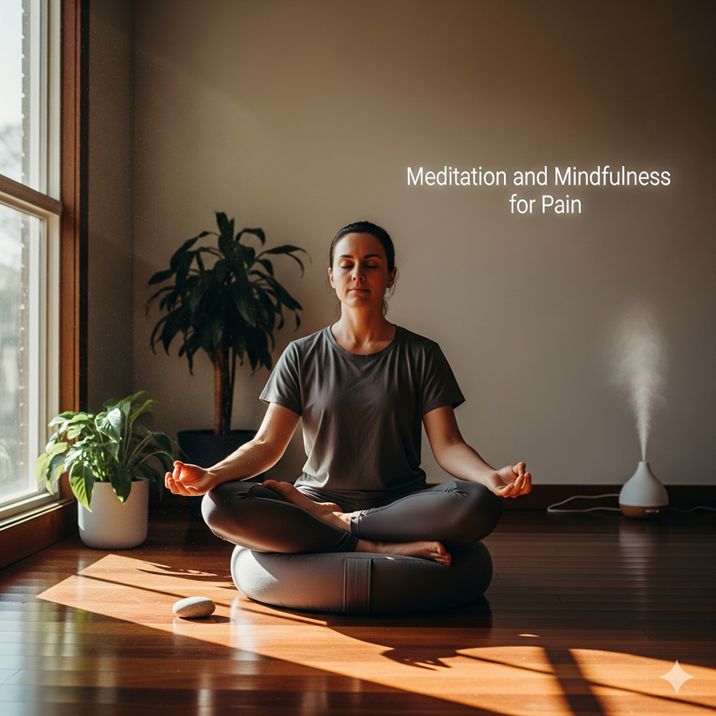
Mindfulness therapy techniques for chronic pain aren’t just trendy wellness buzzwords—they’re scientifically-backed methods that can genuinely reduce your suffering.
Your pain is real. Your frustration is valid. And your desperate search for relief that doesn’t involve popping another pill makes complete sense.
The Hard Truth About Living With Chronic Pain
You wake up, and it’s there. You go to bed, and it’s still there. The constant ache that follows you everywhere like an unwanted shadow.
Traditional pain medications aren’t working anymore. Or worse, they’re working too well and you’re worried about dependency. Your doctor keeps saying “learn to manage it” but never actually tells you how.
Sound familiar?
You’re not broken. You’re not weak. You’re just dealing with a nervous system that’s stuck in overdrive.
Why Your Brain Amplifies Pain (And How Mindfulness Interrupts This)
Here’s what’s actually happening in your body: Your brain doesn’t just receive pain signals—it interprets them. When you’re stressed, anxious, or frustrated about your pain, your brain literally turns up the volume.
It’s like having a faulty amplifier that makes everything louder than it needs to be.
Mindfulness meditation for chronic pain works by teaching your brain to turn down that amplifier. Not by pretending the pain doesn’t exist. But by changing how your nervous system responds to it.
The Pain-Stress Cycle Nobody Talks About
Pain creates stress. Stress amplifies pain. More pain creates more stress. And round and round you go.
Mindfulness breaks this cycle by giving you a circuit breaker. A way to step out of the loop before it spirals out of control.
Practical Mindfulness Techniques That Actually Work
The 3-Minute Reset (For When Pain Spikes)
Stop what you’re doing. Find a comfortable position (lying down is fine). Close your eyes or soften your gaze.
Minute 1: Notice without judgement Where exactly is the pain? What does it feel like? Sharp? Dull? Throbbing? Don’t try to change it. Just observe.
Minute 2: Breathe with intention Inhale for 4 counts. Hold for 4 counts. Exhale for 6 counts. Let each exhale carry away a bit of tension.
Minute 3: Expand your awareness Notice what’s not in pain. Your breath moving in and out. The temperature of the air. Sounds around you.
This isn’t about eliminating pain. It’s about not letting pain eliminate everything else.
Body Scan for Pain Management
Lie down comfortably. Start at the top of your head. Slowly move your attention down through your body.
When you reach areas of pain, don’t ignore them. Don’t fight them. Simply acknowledge: “Hello, pain. I see you.”
Then gently move your attention to the next area.
Why this works: Your brain usually focuses intensely on painful areas. Body scanning teaches it to distribute attention more evenly. Like turning down a spotlight and turning on ambient lighting instead.
The RAIN Technique for Pain Flares
R – Recognise: “I’m experiencing a pain flare.” A – Allow: “This is what’s happening right now.” I – Investigate: “Where do I feel this? What thoughts are arising?” N – Non-attachment: “This pain is temporary. It will change.”
Use this when you feel overwhelmed by pain intensity. It stops you from fighting the experience, which only makes it worse.
Mindfulness-Based Stress Reduction (MBSR) for Long-Term Relief
MBSR isn’t just meditation. It’s a complete system for rewiring how your nervous system handles pain signals.
Week 1-2: Foundation building Learn basic breathing techniques. Practice short body scans. Establish a consistent daily practice.
Week 3-4: Deepening awareness Extend meditation sessions. Add mindful movement (gentle yoga or walking). Start noticing pain patterns and triggers.
Week 5-8: Integration Apply mindfulness to daily activities. Use techniques during pain flares. Develop your personal toolkit of effective practices.
Most people see meaningful changes around week 4. Not elimination of pain, but a different relationship with it.
Movement-Based Mindfulness for Pain Relief
Mindful Walking for Joint Pain
Start with 5 minutes. Walk slower than normal. Feel each step connecting with the ground.
Notice how your body moves. Which muscles are working? What feels comfortable versus strained?
This gentle movement keeps joints mobile without aggravating pain. Plus, it gets you out of the “pain cave” mindset.
Gentle Yoga Therapy
Not Instagram yoga. Not pretzel poses. Simple, mindful movements that honour your limitations.
Cat-cow stretches for back pain. Gentle neck rolls for headaches. Supported child’s pose for overall tension.
The goal isn’t flexibility. It’s reconnecting with your body in a positive way.
Dealing with Pain Catastrophising
Your mind loves to tell stories about pain: “This will never get better.” “I can’t handle this anymore.” “My life is ruined.”
Mindfulness helps you see these as thoughts, not facts.
The thought observation technique: When catastrophic thoughts arise, say: “I’m having the thought that this will never improve.” Not: “This will never improve.”
Small difference in words. Massive difference in impact.
Building Your Personal Pain Management Toolkit
For Acute Pain Episodes
Keep a “pain emergency kit”:
- 3-minute reset technique
- Breathing app on your phone
- Comfort items (heating pad, essential oils)
- Emergency contact list
For Daily Management
Morning routine: 10 minutes of meditation before getting up. Sets the tone for how your nervous system approaches the day.
Midday check-in: Quick body scan during lunch. Catch tension before it builds up.
Evening wind-down: Gentle stretching or yoga. Helps process the day’s stress and prepare for restorative sleep.
The Science Behind Why This Works
Neuroplasticity research shows your brain can literally rewire itself. Regular mindfulness practice strengthens areas responsible for:
- Emotional regulation
- Attention control
- Pain perception
Brain scans of people who practice mindfulness show: Reduced activity in pain processing centres. Increased activity in areas that control pain signals. Better communication between different brain regions.
This isn’t placebo effect. It’s measurable changes in brain structure and function.
Common Mistakes That Sabotage Your Progress
Expecting instant results Mindfulness is like going to the gym. You don’t get fit after one workout. You build strength over time.
Practicing only when pain is severe This is like only exercising when you’re already injured. Daily practice during manageable pain builds your “resilience muscle.”
Trying to eliminate all pain The goal isn’t zero pain. It’s reducing suffering. There’s a difference.
Giving up after a bad day Some days your practice will feel useless. These are often the days you need it most. Consistency beats perfection every time.
When to Seek Professional Help
Consider working with a qualified mindfulness teacher or pain psychologist if:
- Your pain significantly impacts daily functioning
- You’re experiencing depression or anxiety alongside chronic pain
- You’ve tried self-guided approaches without success
- You need accountability and structured guidance
Look for practitioners trained in:
- Mindfulness-Based Stress Reduction (MBSR)
- Mindfulness-Based Cognitive Therapy (MBCT)
- Acceptance and Commitment Therapy (ACT)
Your Next Steps
Start small. Pick one technique from this guide. Practice it for 7 days straight. Notice what changes (or doesn’t).
Most people try to do everything at once and burn out within a week. Don’t be most people.
Build one solid habit before adding another. Your future pain-free self will thank you.
Remember: mindfulness therapy techniques for chronic pain aren’t about perfection—they’re about progress, one breath at a time.